
Understanding the Unique Aspects of Indoor and Outdoor Painting
Choosing between painting the inside or outside of your home can be a daunting task. Each requires different skills, materials, and considerations to ensure a lasting and beautiful finish. From climate exposure to safety concerns, understanding these differences is crucial for achieving the best results. Let’s dive into the core aspects that set interior and outdoor painting apart, ensuring you make an informed decision for your next project.
Material Selection and Durability
The types of paint used for indoor and outdoor projects differ significantly. For interiors, paints are designed to be less toxic with low or no volatile organic compounds (VOCs), ensuring they’re safe for indoor air quality. On the other hand, exterior painting requires paints that withstand weather extremes and UV rays. These paints often contain additives that fight mildew and fading.
Environmental Exposure Considerations
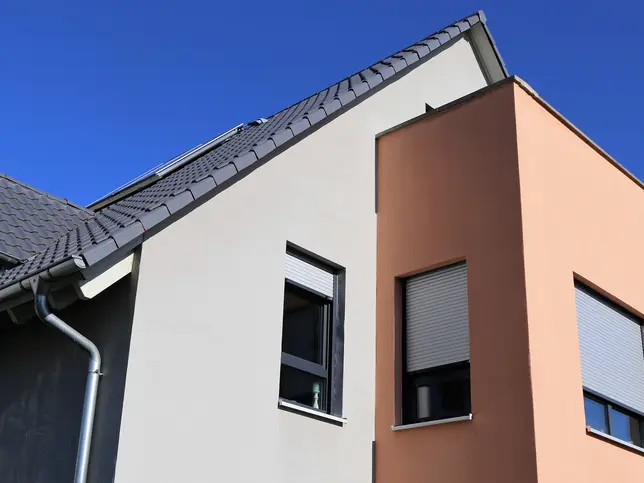
When it comes to exterior painting, surfaces face constant exposure to the elements. Rain, wind, sunlight, and temperature fluctuations can all degrade paint over time. Therefore, selecting weather-resistant paint is essential. Meanwhile, interior spaces don’t deal with these issues but may require washable finishes in high-traffic areas or kitchens.
Application Techniques and Safety Measures
Interior painting generally allows more control over the environment. You can manage lighting and humidity levels to optimize drying times. However, with exterior painting, workers must consider safety measures like ladders or scaffolding when dealing with multi-story buildings. It’s also important to note wind patterns that could affect spray applications.
Color Choices and Aesthetic Appeal
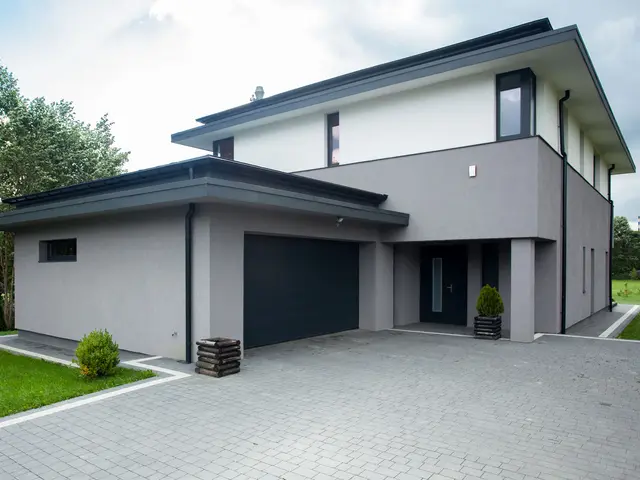
While color choice is always subjective, certain trends prevail in interior versus exterior settings. Interiors often play with bold colors and accents that reflect personal style since they’re protected from environmental wear. Exteriors usually favor neutral tones that blend well with surroundings while maintaining curb appeal through subtle highlights.
Preparation Steps for Successful Results
Both types of painting require thorough preparation to ensure longevity. This includes cleaning surfaces, repairing damages, and priming where necessary. However, exteriors demand additional steps such as pressure washing and inspecting for mold or wood rot before any paint application begins.
- Inspect surfaces for damage or decay
- Remove old paint or stains thoroughly
- Apply primer suited for surface type
Cost Implications and Budgeting Tips
The cost implications vary greatly between the two painting types. Exterior jobs tend to be more expensive due to the specialized materials needed to endure harsh conditions. The size of the home and labor intensity also add up quickly. In contrast, interior projects can be more budget-friendly if planned correctly by prioritizing rooms or stages.
Engaging Professional Services
If you’re considering hiring professional services for your painting needs, choosing experienced contractors ensures high-quality results. They bring expertise in material selection, preparation processes, and safety protocols crucial for both indoor and outdoor tasks. Their knowledge helps avoid common pitfalls and guarantees satisfaction with the final outcome.
Your Trusted Partner in Painting Projects
At Sam Professional Painting LLC, we specialize in providing top-notch painting services tailored to meet diverse needs, whether it’s indoors or outdoors. Based in Columbia, MD, our team is equipped to handle all aspects of your project efficiently. Contact us at (443) 346-1657 to discuss how we can transform your space with our expert solutions.