
Exploring the Unique Characteristics of Each Method
Wood is a versatile material used in many projects, from furniture to home improvements. The appearance of wood can be enhanced through various finishing techniques. Two popular methods are staining and painting. These methods affect both the look and longevity of the wood differently. Understanding their differences helps you choose the right approach for your needs. This guide will explore these two processes, their benefits, and how to decide which suits your project best.
Understanding Wood Staining
Wood staining is a technique that enhances the natural beauty of wood by adding color without hiding its grain patterns. It penetrates the surface, soaking into the fibers while maintaining the wood’s texture. This method is ideal if you wish to emphasize the wood’s organic appeal. Additionally, stains come in various shades, allowing customization to match other elements in your space.
The Benefits of Wood Painting
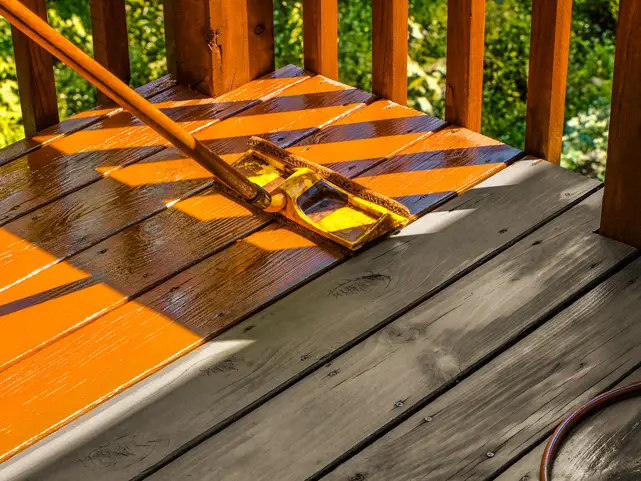
Painting wood involves covering it with a pigmented coating that conceals the original grain and color. This approach provides an opportunity for vibrant colors or clean whites, offering a fresh new look. Paint also acts as a protective layer against environmental factors, which can extend the life of the wood and prevent damage such as rot or insect infestation.
Choosing Between Stain and Paint
Selecting between stain and paint depends on several factors, including desired aesthetics and maintenance levels. Stains require less upkeep than paints as they don’t peel or chip. However, painted surfaces offer more thorough protection against moisture and sunlight damage. If durability in harsh conditions is a priority, painting may be preferable.
Common Challenges With Finishing Techniques
Both staining and painting have challenges. With staining, achieving an even color may be difficult due to variations in wood density. On the other hand, paint can sometimes mask beautiful grain details completely. Both methods require careful preparation to ensure adhesion and avoid future peeling or fading issues.
Steps for Successful Application
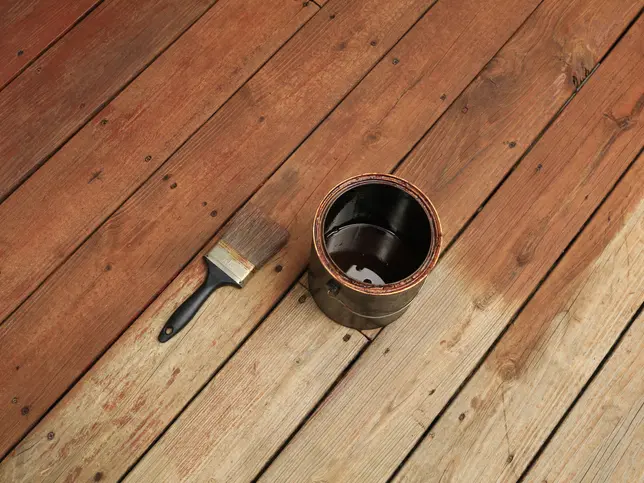
- Clean the surface thoroughly to remove dirt or oils.
- Sand it down to create a smooth base.
- Apply a primer if using paint for better adherence.
- Test a small area first to check color outcomes.
- Use even strokes when applying stain or paint.
- Allow sufficient drying time before adding additional coats or handling.
Expert Tips for Best Results
For optimal results, consider the following tips: First, always choose quality materials suited for outdoor or indoor use as needed. Second, follow manufacturer instructions closely regarding application techniques and drying times. Lastly, perform periodic maintenance checks to catch any early signs of wear.
The Impact of Cost Considerations
When considering cost, remember that initial investment might be higher for premium products but often results in lower maintenance expenses over time. Stains generally cost less than paints, especially high-end varieties designed for extreme weather protection. Assess overall value rather than just upfront costs.
Your Path to Beautifully Finished Wood
Deciding whether to stain or paint your wood projects hinges on understanding your specific needs and circumstances. Each method offers distinct advantages and potential drawbacks. For expert advice tailored to your unique situation, contact Sam Professional Painting LLC. Our services extend throughout Columbia, MD, ensuring local expertise and reliable support for all your wood finishing projects. Call us today at (443) 346-1657 for personalized guidance.